What is U-shaped attribution model?
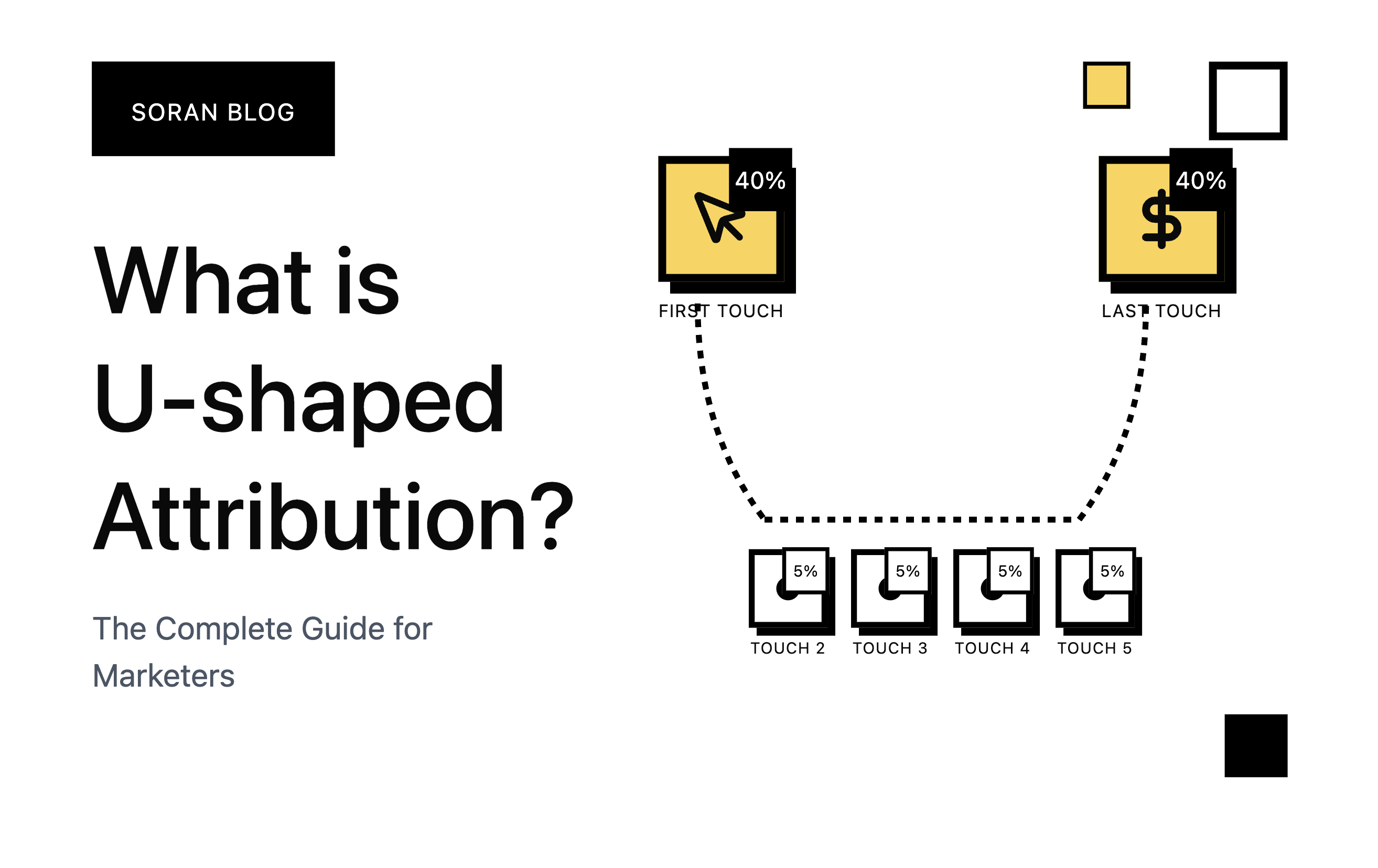 Position-based (U-shaped) attribution is a multi-touch attribution model used by marketers to track and assign credit for a conversion where the first and last interactions a customer has with your brand are given the most credit, typically 40% each and the remaining 20% of the credit is evenly distributed among the other touchpoints in the middle of the journey. This is why it's often referred to as U-shaped, as the weight of the attribution is heavier at the beginning and end of the customer journey.
How does position-based (U-shaped) attribution work?
This model assumes that a customer’s first and last interactions have the greatest impact on their purchasing decisions. For marketers, it highlights which channels or strategies are most effective at capturing interest and driving conversions, allowing them to optimize their efforts for maximum results. This means Position-based (U-shaped) attribution gives the most credit to the first and last touchpoints in a customer’s journey, with the remaining credit shared equally among the interactions in between.
Benefits
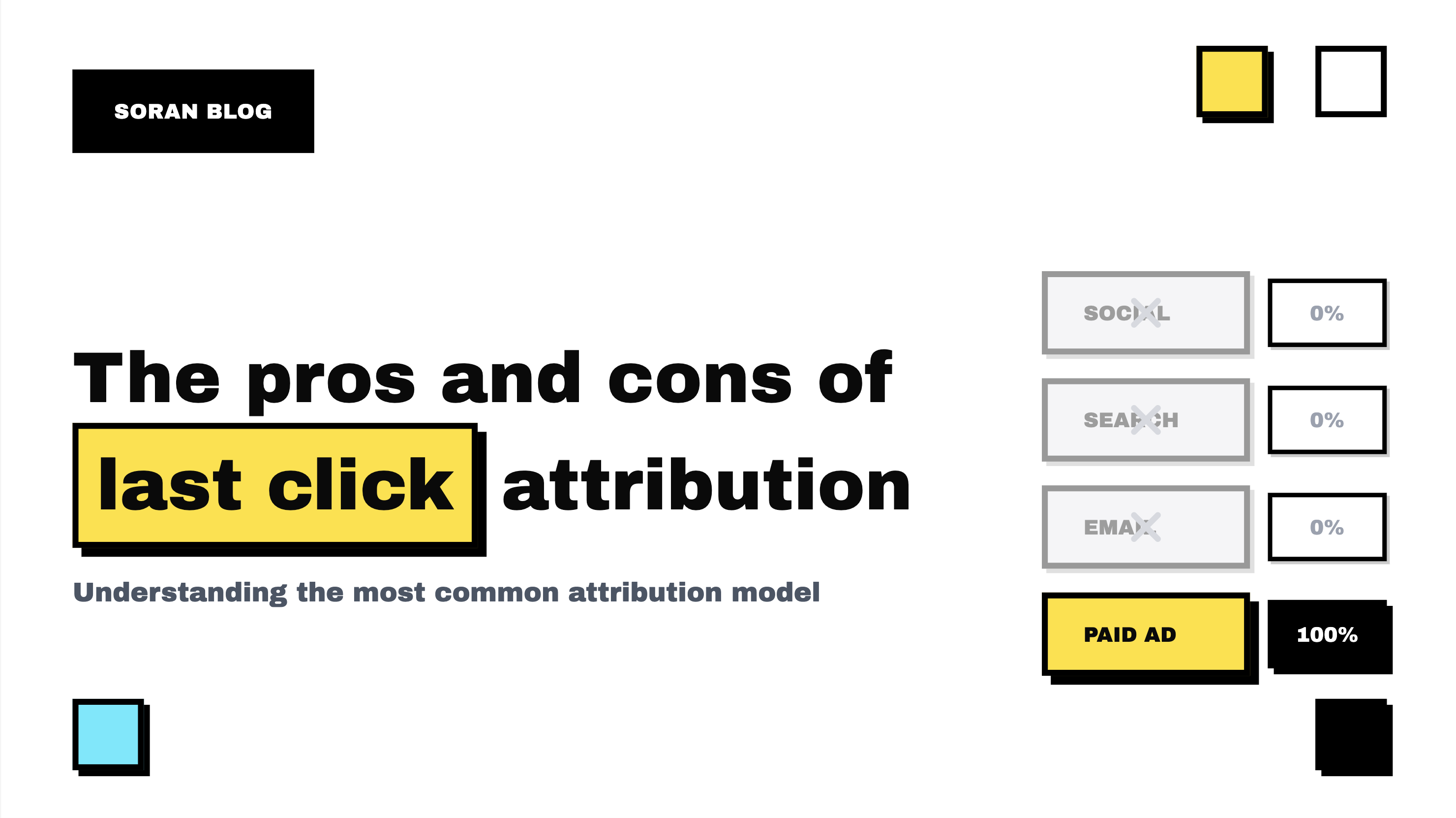
Most advertisers are used to measuring the success of their online advertising on a "last click" basis. This means they give all the credit for a conversion to the last-clicked ad and corresponding keyword. However, this ignores the other ad interactions customers may have had along the way.
U-shaped attribution helps you in the following ways:
- Reach customers earlier in the purchase cycle: Find opportunities to influence customers earlier on their path to conversion.
- Match your business: Use a model that works best for how people search for what you offer.
- Improve your bidding: Optimize your bids based on a better understanding of how your ads perform.
Conclusion
The U-Shaped Attribution Model is a powerful tool for marketers, offering a balanced view of the customer journey and highlighting the impact of key touchpoints. While it may not fit every situation, it is particularly effective when lead generation and conversions are the main priorities.
By emphasizing the most influential interactions and capturing the subtleties of customer behavior, this model provides a clearer picture of how marketing efforts translate into real-world results.